Entry · Ref B4N9ZNAR
Why a Pizza Restaurant Is a Smart Choice for Office Lunches
- Posted
- 2026-10-30
- Last amended
- 2026-10-30
- Account
- @rafaelbfbx288
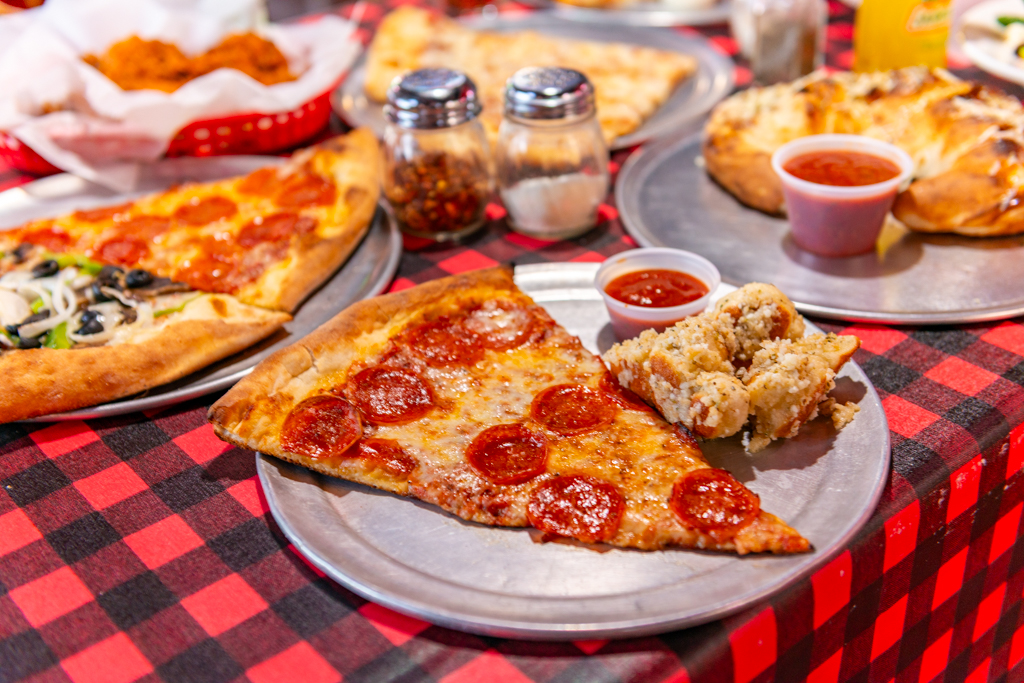

Office lunches look simple from the outside. A team gets hungry, someone volunteers to order food, and the meal arrives. In practice, it is rarely that smooth. People have different appetites, dietary preferences, schedules, and expectations. Budgets are usually tighter than anyone admits. Timing matters because lunch breaks are short and afternoon meetings do not wait. A meal that works for six people can fail for sixteen, and what feels generous one week can feel disorganized the next.
That is why the humble pizza restaurant keeps earning its place in workplace meal planning. Not because it is trendy, and not because it is the only option, but because it solves several office lunch problems at once. It is flexible, broadly appealing, predictable, and usually easier to manage than individually packed meals from a deli, salad shop, or fast casual chain. When a company wants a lunch that feels relaxed without seeming careless, pizza often lands in the sweet spot.
I have seen this play out across small offices, client meetings, training sessions, and all-day workshops. The best office lunches are not always the fanciest. They are the ones that arrive on time, feed everyone well enough, and leave the team able to get back to work without a logistical mess. A good pizza restaurant does that better than many alternatives.
The real office lunch problem is coordination
Most office meal decisions are coordination problems disguised as food decisions. If ten people order ten different lunches from ten different menu sections, someone has to track names, choices, substitutions, payment, and delivery details. Then comes the handoff problem. Which item belongs to whom, what happens if something is missing, and how long does the food sit before everyone can stop what they are doing to eat?
A pizza order reduces that friction immediately. Instead of managing a long spreadsheet of individual meals, one person can place a simple group order built around a handful of pies, a salad or two, and maybe a side item. The meal becomes communal rather than fragmented. That matters more than people realize. Shared food tends to get people to the table faster, makes serving easier, and cuts down on the small annoyances that drain the goodwill out of workplace lunches.
There is also less packaging to deal with. Ten boxed sandwiches, ten bags of chips, ten containers of dressing, and ten drink labels create a surprising amount of clutter. A few pizza boxes and a stack of plates are simply easier to manage. In offices where conference room space is limited or lunch is served between meetings, that practical difference matters.
Pizza works across a wider range of preferences than most people expect
The case for pizza is not that every person loves every style of pizza. The case is that a well-chosen order from a capable pizza restaurant can satisfy a broad group without requiring a custom meal for each person. That is a crucial distinction.
A mixed office usually includes a few people who want something hearty, a few who prefer lighter portions, one or two who avoid meat, and sometimes someone who needs gluten-free or dairy-free options. Many pizza menus can accommodate that spread more effectively than outsiders assume. Classic cheese and pepperoni cover the familiar preferences. Vegetable pies, white pies, and specialty combinations add variety. Salads and simple sides round out the table. Some restaurants now offer cauliflower crust, gluten-sensitive crusts, vegan cheese, or at least enough non-pizza options to include everyone.
That does not mean every pizza restaurant is equally equipped. There is a difference between a place that merely offers substitutions and one that handles dietary requests with care. If your office routinely includes staff with allergies or strict dietary restrictions, the smart move is to build a short list of reliable vendors rather than assume any local shop can cover those needs. Still, compared with many cuisines that are built around one dominant protein or one narrow flavor profile, pizza gives the organizer more room to create a meal that feels inclusive.
Another practical point often gets missed. Pizza scales well for different levels of hunger. The person who wants a light lunch can take one slice and salad. The person who skipped breakfast can take three slices. That kind of self-adjusting meal prevents the common office lunch problem of over-ordering individual entrees for some people and underfeeding others.
Budget predictability is a bigger advantage than low sticker price
Office lunch decisions are rarely made on appetite alone. Someone has to justify the spend. Whether the budget comes from a manager, an HR event line, or a team lead using a company card, predictability matters. A pizza restaurant is often a smart choice not only because it can be affordable, but because the cost is easier to estimate before the order is placed.
With individual meals, the total can drift quickly. One person adds avocado, another adds a drink, someone else chooses a premium protein, and delivery fees plus service charges push the final number much higher than expected. Pizza ordering is usually more stable. The organizer can estimate how many pies the group needs, decide whether to add salads or desserts, and stay close to the budget without much guesswork.
For many offices, that predictability matters more than chasing the absolute lowest cost. A lunch budget that regularly swings by 20 to 30 percent becomes a headache for whoever approves expenses. A pizza order tends to land in a narrower range. That makes it easier to repeat for monthly team lunches, onboarding days, or recurring training sessions.
There is also a value perception issue. A group lunch should feel generous enough to be appreciated. Pizza often does that well. A spread of several hot pizzas on a conference table looks abundant in a way that a pile of small individual containers sometimes does not. Even when the total spend is comparable, pizza often reads as a more substantial gesture.
Speed and reliability matter more than novelty
When offices order lunch, they are usually not trying to deliver a memorable culinary event. They are trying to feed people during a narrow time window and keep the day moving. That makes speed and reliability more valuable than novelty.
A good pizza restaurant is built for volume. Friday nights and sports events have trained these operations to handle batches of food, coordinate timing, and package orders for transport. That operational rhythm carries over well into office catering. Restaurants that make pizza at scale generally know how to estimate cooking times, manage multiple pies at once, and stage orders for pickup or delivery.
This operational reliability is one reason pizza often outperforms trendier lunch options. A restaurant with an inventive menu may make excellent food, but if every order is customized and individually assembled, the chance of delay or error increases. Pizza, by contrast, benefits from repetition and standardization. The kitchen knows the product well. That consistency can be a bigger gift to an office than culinary originality.
I have seen teams lose half their lunch break because a complicated order showed up missing key items, or because each container needed sorting and labeling. By contrast, the best pizza lunches are almost frictionless. Open the boxes, put out plates and napkins, and people can eat within a minute.
Pizza encourages a more social lunch without forcing it
Office lunches serve more than one purpose. Yes, they feed people, but they also create a small pause in the workday. They can help new employees meet colleagues, give project teams a breather after a deadline, or make a long training day less tiring. Shared pizza supports that social function naturally.
There is something useful about a meal that people can gather around without ceremony. It is casual enough to lower the temperature in a tense week and structured enough to feel intentional. A table with a few pizzas invites conversation in a way that individually bagged meals do not. People tend to circulate, compare slices, and sit together rather than retreat immediately to their desks.
That social ease is especially valuable in hybrid offices, where the days people come in person should feel worthwhile. A catered pizza lunch can become a light-touch anchor for team interaction. Not a big event, not forced fun, just a sensible meal that makes it easier for people to linger and talk for ten extra minutes.
That said, context matters. Pizza is not the right choice for every office lunch. If the meal is for a formal client presentation, a board meeting, or a high-stakes executive session, a different format may better suit the tone. The point is not that pizza fits every occasion. It is that for ordinary team lunches, working sessions, onboarding days, and informal celebrations, it often strikes the right balance between relaxed and competent.
The best pizza restaurant for office lunches is not always the most famous one
Choosing the right pizza restaurant takes a bit of judgment. The most popular place in town may not be the best at office service. Crowded dine-in restaurants sometimes struggle with midday bulk orders, while a less flashy neighborhood shop may be outstanding at punctual delivery and large-format ordering.
When evaluating a pizza restaurant for office lunches, a few practical traits matter more than brand recognition:
- Consistent timing on pickup or delivery
- Clear communication about large orders
- Menus that can handle mixed preferences
- Packaging that travels well
- Portion sizes that match the price
A restaurant that answers the phone clearly, confirms the order carefully, and gives realistic timing is usually worth more than one with a slightly more fashionable menu. Office lunch success depends heavily on execution. A great pie eaten thirty minutes late is not great in context.
If your office orders lunch regularly, it is worth building a relationship with one or two dependable local spots. Restaurants notice repeat business, and that can improve service. They may suggest better quantities, flag temporary menu changes, or help you avoid common ordering mistakes. There is practical value in becoming a known, organized customer.
Portion planning is where many office lunches go wrong
One of the main reasons people have mixed feelings about pizza lunches is poor quantity planning. Either the order is too small and half the team is still hungry, or it is so excessive that the office fridge fills with leftovers nobody wants by the next day.
The right amount depends on the time of day, the makeup of the group, and what else is being served. A lunch for a sales team coming off the road will look different from a lunch for a marketing staff in back-to-back meetings. If you are serving pizza as the main meal, many offices find that two to three slices per person is a workable planning range, with the lower end for mixed spreads that include substantial salads or sides, and the higher end for hungry groups or longer sessions. Exact needs vary, which is why experience with your own team matters.
Leftovers are not always a failure, but they should be intentional. Extra slices can be useful for late arrivals or for staff who could not step away at the same time. The problem starts when leftovers are so abundant that the original order clearly overshot demand. That wastes money and subtly undermines the organizer’s credibility.
A reliable pizza restaurant can help here. Shops that work with offices regularly can often suggest realistic quantities based on group size and order composition. That advice is usually better than guessing, especially if you are adding appetizers, salads, or desserts.
It travels better than many hot lunches
Travel is the weak point for a lot of food. Fried items lose texture. Burgers steam inside their wrappers. Sandwiches become soggy. Bowls shift and spill. Pasta cools unevenly. Pizza has the advantage of being relatively resilient over short delivery windows. It is built to be boxed, stacked, carried, and served quickly.
That matters in office settings where the meal may need to move from the lobby to a conference room, wait a few minutes while a meeting wraps up, and then serve a group all at once. Good pizza holds up under those conditions better than many alternatives. It is still best hot, of course, but a quality pie remains very edible during the normal delays of office life.
This is especially important in larger buildings with elevator waits, front desk procedures, or security check-ins. A meal that declines sharply in the ten minutes between arrival and serving creates stress. Pizza is comparatively forgiving. That forgiveness makes lunch planning easier.
It fits both everyday lunches and low-key celebrations
There are office meals that exist purely for fuel, and there are meals meant to mark a moment. Pizza can do both. It works on an ordinary Tuesday when a team is deep in project work, and it also works when you need something slightly more festive, such as a birthday, a successful launch, or a farewell gathering.
Part of that versatility comes from how easy it is to scale the order up or down. A six-person team can eat well from a modest spread. A forty-person department can be served with a much larger order without changing the basic format. That range is useful for managers who need one food solution that works across different events.
It also helps that pizza does not require a lot of explanation. No one needs menu education or serving instructions. That may sound minor, but simplicity has value in busy workplaces. The less time people spend decoding lunch, the more likely the meal will feel smooth and enjoyable.
There are trade-offs, and smart organizers account for them
A balanced view matters here. Pizza is not flawless. It can feel repetitive if overused. Some employees may see it as too casual for certain milestones. Greasy or low-quality pizza can leave people sluggish, which is not ideal before an afternoon of work. And if dietary restrictions are extensive, the order can become more complicated than expected.
These downsides do not erase the value of choosing a pizza restaurant for office lunches. They simply mean the choice should be made thoughtfully. Quality matters. Variety matters. Frequency matters. If the office orders pizza every single week with no variation, people will notice. If, however, it appears as part of a sensible lunch rotation, it usually remains welcome.
A few adjustments make a difference:
- Include at least one vegetable-forward option
- Add a salad for balance and lighter eaters
- Ask about dietary accommodations before ordering day
- Rotate styles or toppings to keep meals from feeling stale
- Match the formality of the lunch to the occasion
Those small choices can turn a basic pizza lunch into one that feels considered rather than lazy.
Pizza can support productivity, not just morale
There is a tendency to talk about office lunches as culture perks, but the operational side should not be overlooked. A dependable lunch option helps the workday run better. Teams stay on site. Meetings resume on time. People spend less energy figuring out where to eat. Managers avoid the time sink of overly customized orders. A familiar pizza restaurant can become part of https://dominickqwnj644.dovetailscope.com/posts/how-a-pizza-restaurant-brings-italian-inspiration-to-the-table an efficient rhythm for heavy workdays.
This is especially true during onboarding, training, audits, planning sessions, and deadline weeks. On those days, lunch is not a standalone event. It is part of the workflow. Food needs to appear, satisfy, and then get out of the way. Pizza is strong in that role because it asks very little of the eater. Take a slice, sit down, and continue the conversation.
There is also a morale angle that should not be dismissed. Shared meals, even simple ones, signal care. Employees do not expect every office lunch to be luxurious. They do notice whether the food is thoughtful, timely, and sufficient. A good pizza restaurant gives companies a practical way to meet that standard without creating unnecessary complexity.
Why this choice keeps making sense
A smart office lunch is not the one that tries hardest. It is the one that aligns with the realities of work. People are busy, time is short, budgets are finite, and tastes vary. Pizza continues to work because it respects those constraints. It is easy to organize, broadly liked, adaptable to mixed appetites, and usually reliable under pressure. Few lunch options hit all of those marks at once.
When companies choose a pizza restaurant with care, the result is more than an easy meal. It is a lunch that supports the day instead of interrupting it. That is why pizza remains one of the most practical choices an office can make, not just for convenience, but for the simple reason that it does the job well.