Entry · Ref GSMUPZTM
How to Experience Jamaican Food Like a Local
- Posted
- 2026-10-23
- Last amended
- 2026-10-23
- Account
- @rafaelbfbx288
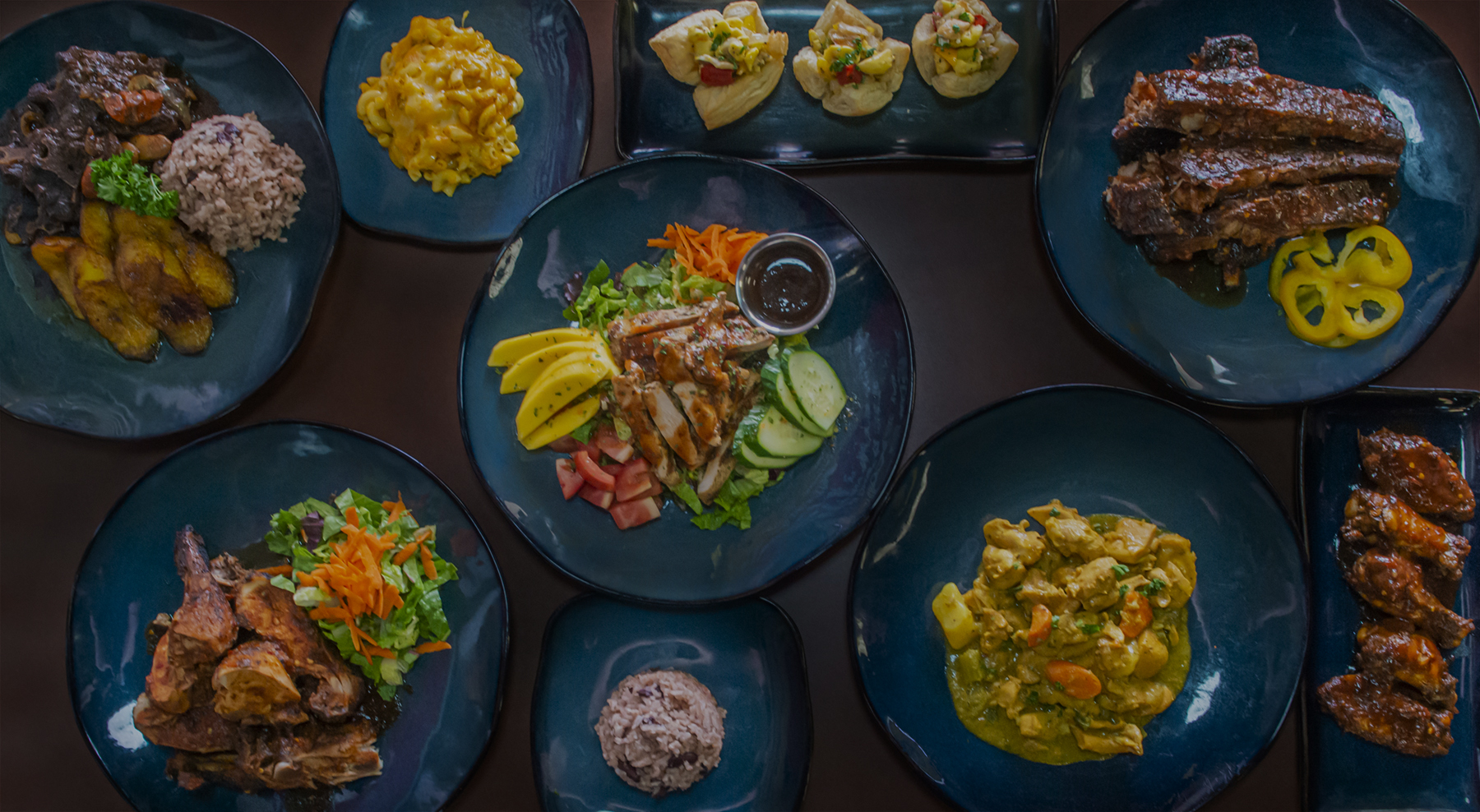
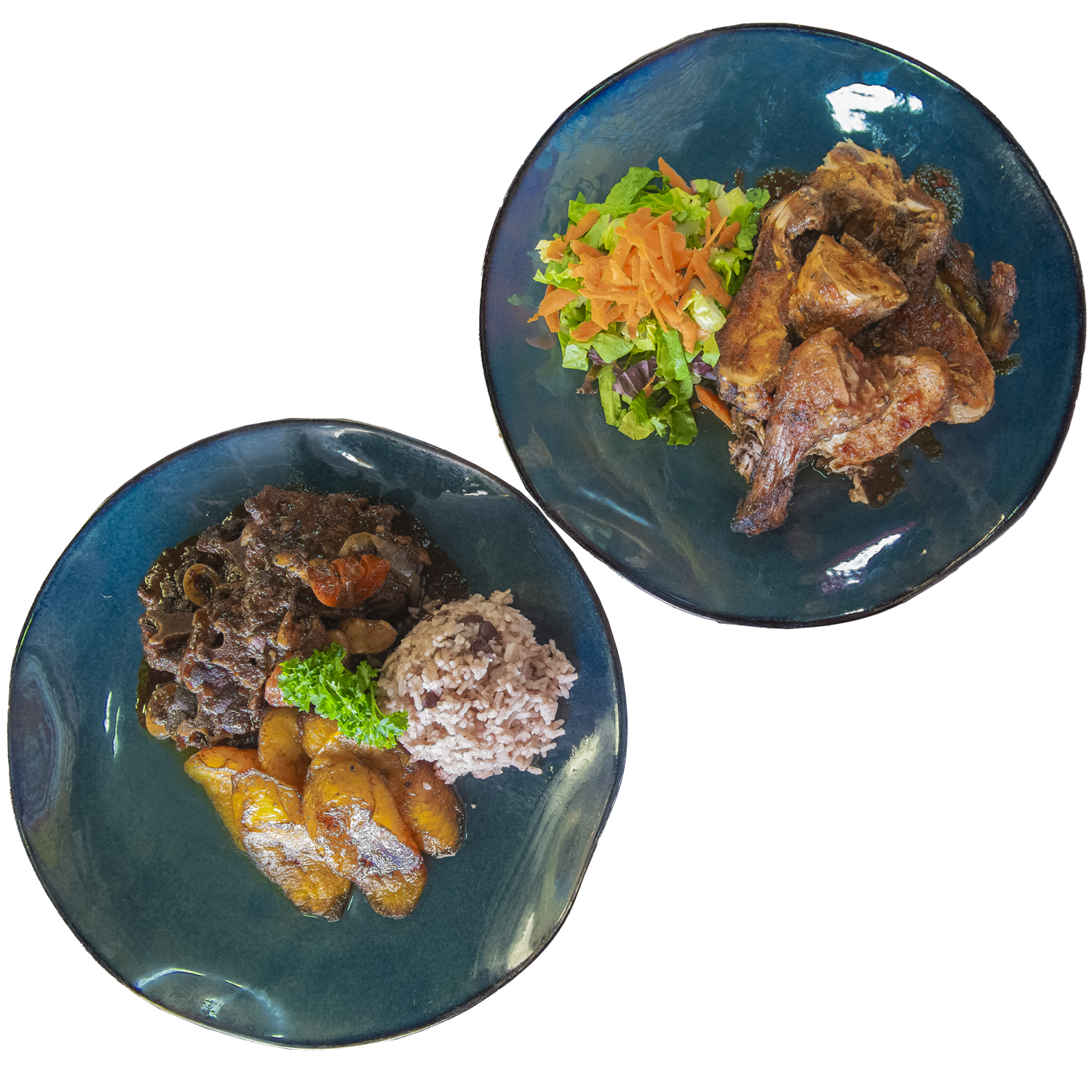
Jamaican food makes a strong first impression. The aromas hit before the plate arrives, smoke from jerk pans, thyme and scallion rising from simmering pots, frying oil carrying the scent of festival or plantain. Then the flavors land, often in layers rather than a single note: heat, sweetness, allspice, citrus, pimento wood, pepper, earthiness from yam or coco, salt from cured fish, richness from coconut milk. If you want to experience Jamaican food like a local, the first adjustment is mental. Stop treating it as a checklist of famous dishes and start seeing it as a living food culture shaped by market rhythms, street habits, family traditions, class, region, and time of day.
Tourist menus usually flatten that complexity. They offer jerk chicken, curry goat, rice and peas, maybe ackee and saltfish if the kitchen is ambitious. Those are all real, all worth eating, but they only tell part of the story. Local eating in Jamaica is deeply contextual. What people crave for breakfast is not what they reach for after a late-night party. A Saturday soup run has its own logic. So does the beach stop for fried fish, or the roadside break for a patty and a cold drink. To eat well, you need to pay attention to where you are, when you are there, and what the regulars are ordering without hesitation.
Start with the rhythm of the day
One of the quickest ways to spot an outsider is by what they try to eat at the wrong hour. Jamaican food follows a daily rhythm, and locals lean into it. Morning is often practical and hearty. Ackee and saltfish sits at the center of the national imagination, but it is not the only breakfast that matters. Callaloo with salt mackerel, boiled green banana, fried dumpling, cornmeal porridge, hominy porridge, liver, or even a simple bread and cheese combination can be the real breakfast on a given day. In many homes and small cookshops, breakfast is built to carry someone through work, traffic, and heat.
Lunch is where you will see some of the broadest variety. Rice and peas with stewed chicken, curry goat, brown stew fish, oxtail if the budget allows, or pepper steak if you are in the mood for something saucy and familiar. Lunch in Jamaica is not automatically light. It is often the main event, especially for workers grabbing food from a cookshop or canteen. https://rowangldn402.zenbloomer.com/posts/jamaican-food-comfort-dishes-for-cozy-meals Portions tend to be serious, and the food needs to satisfy.
Dinner can be quieter, but on some nights it becomes social. Jerk on the roadside, soup on Saturdays, seafood by the coast, mannish water at an event, or late patties after a long evening out. Eating like a local means asking not just “what is good here?” but “what do people come here for at this hour?”
The cookshop matters more than the polished dining room
If you really want to understand Jamaican food, spend time in cookshops, roadside stalls, small bakeries, and market-adjacent spots where the menu exists partly in memory. These places do not always look impressive. Some have handwritten signs, steam tables, and plastic chairs that have seen better years. That is not a red flag by itself. In Jamaica, some of the best food comes from kitchens that focus on consistency rather than image.
A good cookshop has signs of life. Food turns over quickly. Workers know the regulars. The steam table looks actively maintained, not abandoned. You can smell fresh seasoning rather than stale grease. The person serving you may answer your question in one sentence, because lunch rush is moving, but that does not mean the place is unfriendly. It usually means they are busy feeding people who know exactly why they are there.
This is also where you start seeing variation that chain restaurants cannot capture. One cook’s brown stew chicken may lean sweet with bell pepper and onion. Another’s will be darker, deeper, and more peppery. Rice and peas can be fluffy and coconut-forward in one parish, denser and more restrained in another kitchen. These differences are not mistakes. They are signatures.
Jerk is not just a flavor, it is a method and a place
Outside Jamaica, “jerk” often gets reduced to a bottled marinade or a generic spicy seasoning. On the island, jerk is more specific and more atmospheric. Proper jerk is tied to smoke, fire management, timing, and wood. The best versions are often cooked in drums or jerk pans with pimento wood, which contributes a distinct perfume that bottled sauces cannot fake. The meat is seasoned deeply, but the final character comes from the marriage of spice and smoke.
Jerk also has its own social setting. You do not rush it. Part of the experience is standing near the pan, smelling the smoke, watching the cook chop chicken or pork with quick confidence, hearing the rhythm of nearby conversation and music. The meat arrives with options that matter: bread, festival, roast yam, bammy, or hard dough bread, plus sauces ranging from sweet to punishingly hot. A local will often know whether the heat is in the marinade, the sauce, or both, and order accordingly.
If you are new to it, start carefully with the extra pepper. Scotch bonnet can shift a meal from pleasurable to distracting in seconds. Good jerk should be hot, yes, but heat is not the only point. You want seasoning that runs beyond fire, allspice, thyme, scallion, ginger, garlic, smoke, and salt in balance.
Breakfast is where people reveal their loyalties
Ask Jamaicans what a proper breakfast looks like and you will get firm opinions. Ackee and saltfish has national prestige, but breakfast loyalty tends to be personal. Some people want dumplings and boiled food. Some swear by porridge. Some consider callaloo essential. Some want fried plantain on the side and feel cheated without it.
Ackee deserves a careful first encounter. For visitors, its appearance can be surprising. The texture is soft and rich, almost buttery, which makes sense of why it works so well with salty cod, onion, tomato, Scotch bonnet, and herbs. It is not supposed to be dry, nor should it be aggressively mashed. When it is prepared well, it feels delicate and deeply savory. Eat it with boiled green banana, fried dumpling, or bread, and the entire plate makes sense.
Porridge is another area where local eating habits can surprise people who only associate porridge with blandness. Jamaican porridge can be substantial, spiced, sweetened, and built from cornmeal, peanut, oats, banana, or hominy. It often carries cinnamon, nutmeg, vanilla, and condensed milk or another sweetener. It is not always light. It is breakfast with intention.
Learn the language around the plate
Part of experiencing Jamaican food like a local is understanding the quiet vocabulary of ordering. “Rice and peas” usually means rice cooked with kidney beans or gungo peas, typically in coconut milk with herbs, not green peas. “Ground provisions” refers to starchy staples like yam, dasheen, cassava, and green banana. “Run down” points to a coconut-based preparation, often with mackerel. “Festival” is not an event in this context, it is the slightly sweet fried dough that pairs beautifully with fish or jerk. “Bammy” is cassava flatbread, often soaked and fried, and when it is done right, it is one of the most underrated sides in Jamaican food.
Knowing these terms changes how you order and how much you enjoy what you get. It also helps you avoid the common visitor mistake of building a plate based only on what sounds familiar. Familiar is rarely the point. A lot of the pleasure comes from letting the side dishes and starches carry their share of the story.
Go where fish is moving fast
On the coast, especially near beach towns and fishing communities, fish can become the meal to prioritize over everything else. The freshest places often keep it simple. Whole fish, escovitch, steamed fish, fried fish, maybe with bammy and festival, maybe with crackers and pickled vegetables. Escovitch in particular tells you a lot about Jamaican taste. The fish is usually fried until crisp, then topped with a sharp, spicy dressing of vinegar, onion, carrot, and Scotch bonnet. It is bright, hot, acidic, and ideal in the heat.
Steamed fish is a different pleasure, softer and more aromatic, often cooked with okra, carrots, cho cho, onion, thyme, black pepper, and a light broth that pulls everything together. If fried fish is about crunch and sharpness, steamed fish is about tenderness and fragrance. Both can be excellent, and locals choose between them based on mood as much as appetite.
At a good seaside spot, look around before you order. If several tables are sharing fish rather than each person ordering separate plated entrees, that tells you something. Jamaican eating can be communal without ceremony. A whole fish in the middle of the table, extra festivals, a few drinks, and conversation stretching longer than planned, that is a local rhythm worth borrowing.
Patties are everyday food, not a novelty
Visitors often treat the Jamaican patty as a snack to sample once. Locals treat it as part of ordinary life. It is breakfast, lunch in a hurry, after-school food, road-trip fuel, and late-afternoon rescue when hunger arrives before dinner. The best patties are not just about the filling. The crust matters enormously. It should be flaky, rich, and sturdy enough to hold together without feeling thick or dry.
Beef is the reference point, but chicken, spicy beef, curry chicken, vegetable, soy, shrimp, and other variations all have their following. Then there is coco bread, the soft slightly sweet bread that cradles a patty and turns it into a more complete meal. If you see people sliding a hot patty into coco bread without overthinking it, do the same. It works for a reason.
Not every patty needs to come from a famous bakery. Some small shops sell excellent ones, especially when turnover is high and the pastry is still warm. Temperature matters more than branding. A patty that has been sitting too long loses half its charm.
Soup is serious business
There is a kind of visitor who sees soup on a Jamaican menu and assumes it is a starter. That is the wrong frame. In Jamaica, soup is often the meal. Saturday soup in particular has near-ritual status in many places. Chicken foot soup, red peas soup, gungo peas soup, fish tea, pumpkin soup, mannish water, each carries its own personality and audience.
Red peas soup is hearty enough to stand in for lunch, with peas, meat, dumplings, ground provisions, and a thick body that eats like a full dish. Fish tea, despite the name, is not tea. It is a clear, deeply flavored fish broth with herbs, sometimes more delicate in texture but still substantial. Mannish water is famous, often discussed with a wink, especially at parties and community events, but its appeal is not just folklore. A well-made pot has depth, spice, and richness that people genuinely crave.
If you are invited to try soup from a family kitchen, say yes. Homemade soup is one of the clearest windows into local food habits because it reveals judgment: how thick is thick enough, how much dumpling is too much, when the yam is cooked just right, whether the pepper sits whole in the pot or gets cut open.
What to order first if you want a broad picture
If you have a short trip and want a genuine cross-section of Jamaican food, focus on meals that reveal different cooking styles rather than repeating the same format.
- Ackee and saltfish with boiled green banana or fried dumpling for breakfast.
- A lunch plate from a busy cookshop, such as brown stew chicken or curry goat with rice and peas and one vegetable side.
- Jerk chicken or pork from a roadside pan, eaten with festival or bread.
- Fried or steamed fish at a coastal spot, ideally with bammy.
- A fresh patty, preferably hot enough that the crust still flakes onto your shirt.
That sequence gives you salted, stewed, smoked, fried, and baked experiences, which is a better education than ordering three different meats over rice on consecutive days.
Side dishes are not side issues
A lot of visitors fixate on protein and miss the supporting cast. That is a mistake in any serious food culture, but especially in Jamaican food. Rice and peas alone can tell you about coconut balance, bean texture, and whether the cook respects restraint. Festival should be lightly sweet, not cake-like. Fried plantain should be soft and caramelized, not leathery. Callaloo can be silky or overcooked into submission. Bammy should absorb flavor without turning heavy.
Then there is the category Jamaicans often call boiled food, yam, green banana, dumplings, coco, cassava, breadfruit. These starches are foundational. They are not there just to fill space on the plate. They steady strong flavors, make breakfast satisfying, and connect contemporary eating to older foodways shaped by necessity, agriculture, and appetite. When you eat them with attention rather than obligation, the meal opens up.
Pepper sauce, pickapeppa, and the danger of showing off
Jamaican condiments deserve respect. Pepper sauce can be bright and fruity or severe enough to derail the next twenty minutes. Some restaurants make their own, and heat levels vary wildly. Pickapeppa sauce brings a different profile, more rounded, tangy, and gently sweet with spice in the background. Ketchup appears more often than some visitors expect, especially with patties or fried foods, but that does not mean every dish wants it.
Locals generally know when a condiment is there to sharpen and when it would trample the plate. If the jerk is already hot, more pepper may just blur the seasoning. If the fried fish has a lively escovitch topping, it probably does not need help. The smartest move is to taste first. This sounds obvious, yet it is one of the simplest ways to avoid looking like someone trying to perform toughness rather than enjoy the food.
Markets teach you what restaurants cannot
A market visit gives essential context. You see piles of Scotch bonnet, thyme bundled in handfuls, breadfruit in season, yams with real heft, ackee when available, callaloo, cho cho, coconuts, saltfish, green bananas, and produce that explains the architecture of the plate. It becomes clear that Jamaican food is not just about recipes. It is about ingredients that have to be selected, carried, stored, and stretched.
Spend ten minutes near a produce vendor and you will learn more about seasonality than from many menus. You will notice what looks abundant, what appears scarce, and what cooks are likely building meals around that week. Markets also reveal the practical side of food. There is bargaining, yes, but there is also judgment about ripeness, value, and how something will cook. That knowledge shows up later on the plate.
A few habits that will make the experience better
There are small pieces of etiquette that help, especially in busy local spots where service moves on its own terms.
- Ask what is fresh or finished for the day before deciding too rigidly.
- If a place is known for one dish, order that dish first.
- Carry cash when possible, especially at roadside stalls and smaller cookshops.
- Be specific about spice tolerance, but do not ask for a plate to be redesigned from scratch.
- Watch how locals combine sides, that is often where the best choices reveal themselves.
These habits are simple, but they save you from the common trap of forcing a place to match expectations imported from somewhere else.
Regional and local variation is part of the pleasure
Jamaican food is often described as if it were one unified thing, but the island contains meaningful differences in style and emphasis. Jerk carries especially strong associations with Boston Bay and Portland, and many people will tell you, with some justice, that the east side sets the standard. Coastal seafood culture feels different from inland lunch culture. Country cooking and urban cookshops overlap, but not perfectly. Even one dish can shift from parish to parish or cook to cook in seasoning, texture, and accompaniments.
That variation is not a problem to solve. It is the point. If one person tells you the only proper way to eat a dish is their way, listen respectfully, then try another version elsewhere. Jamaican food culture is full of confidence, debate, and loyalty. You are not meant to reduce it to one final ranking after a weekend.
Rum, juice, and what people actually drink with the food
Drinks shape the meal more than visitors sometimes expect. With breakfast, a hot chocolate tea, porridge, or juice may make sense. At lunch, many people grab a soda, water, or bag juice. With jerk, the right cold drink can feel almost medicinal after the heat. At the beach, a beer or rum drink often enters the picture, but so do simple juices made from sorrel, pineapple, carrot, or Irish moss in some places.
If you are trying to understand local eating rather than stage a fantasy, notice how practical many choices are. Not every meal needs a crafted pairing. Sometimes the perfect companion to a spicy plate is simply the coldest bottled drink available.
The local experience is less about bravado and more about attention
People sometimes approach Jamaican food as a challenge: can I handle the hottest jerk, the strongest pepper sauce, the most unusual cut, the biggest plate? Locals usually approach it with better sense. They know when to go heavy and when to keep it light. They know which cookshop does the best stewed liver, which bakery sells patties before they sit too long, which fish spot is worth a detour, which soup man on Saturday has the right thickness.
That is the real lesson. Experiencing Jamaican food like a local is not about pretending you grew up with it. It is about paying attention the way locals do. Follow the crowd, but not blindly. Respect timing. Choose places with turnover and purpose. Order the thing a kitchen is proud of. Give side dishes their due. Let smoke, coconut, pepper, starch, and salt find their balance. If you do that, Jamaican food stops being a souvenir of travel and becomes what it is for the people who live with it, daily pleasure, memory, argument, comfort, and identity on a plate.
Reggae Pot Jamaican Grill
7562 S University Blvd C, Centennial, CO 80122
(303) 997-5623
FAQ About jamaican food
What is the best Jamaican food to try in Centennial?
The best choice depends on your preferences. Reggae Pot Jamaican Grill offers jerk chicken, curry goat, oxtail, and escovitch snapper, along with sides such as rice and peas and fried plantains. Ask the restaurant about current availability and spice levels before ordering.
Is Jamaican food very spicy in Centennial?
Heat varies by dish and preparation. Jerk dishes can be hot, while some stews and sides are milder. Tell the restaurant your preferred heat level and ask which options suit you.
What is typically on a Jamaican menu?
Common choices include jerk chicken, curries, oxtail, fish, patties, rice and peas, and plantains. Reggae Pot also lists ackee and saltfish and vegetable dishes. Menus and availability can change, so confirm your choices when ordering.